
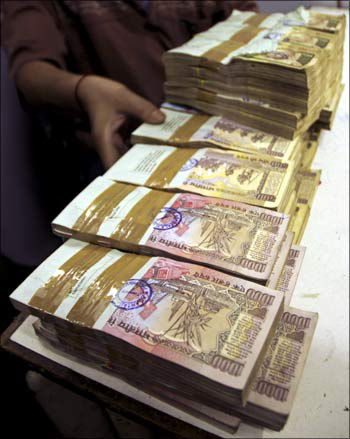
Kanika Datta
As the latest War on Wasteful Weddings suggests, the issue has come to acquire an enduring significance as middle class incomes and lifestyles scale new heights of opulence, the band of crorepatis expands by the year and lefty economists shake their heads disapprovingly at Gini coefficients that point to growing inequality.
Just four years ago, Prime Minister Manmohan Singh sent corporate promoters and chiefs into a tizzy when he suggested, in his trademark nuanced bureaucratese, that they "resist excessive remuneration" and "discourage conspicuous consumption" at a Confederation of Indian Industry (CII) meet.
How rich Indians can help the poor

How rich Indians can help the poor
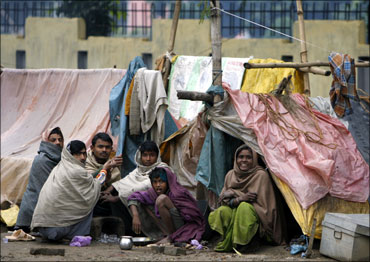
Singh's CII statement was possibly his way of sending India Inc a gentle reminder that it is faintly distasteful to spend too well when many Indians struggle to earn a dollar a day.
How rich Indians can help the poor
Many influential leaders in government and Opposition are certainly old enough to remember the experience in the bad old days of socialism when a managing director's salary was capped, first, to Rs 7,000 a month and then generously doubled after about a decade, before scrapping it.
How rich Indians can help the poor
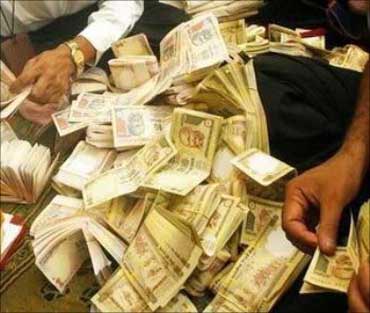
So what did companies do? One, they compensated by giving CEOs a lifestyle that was often more luxurious than what many of their counterparts enjoy today - palatial mansions, armies of household staff and multiple cars, phone connections and expense accounts.
Much of this was taxed, of course, but the government helpfully allowed accountants to be legally creative and minimise the burden.
How rich Indians can help the poor
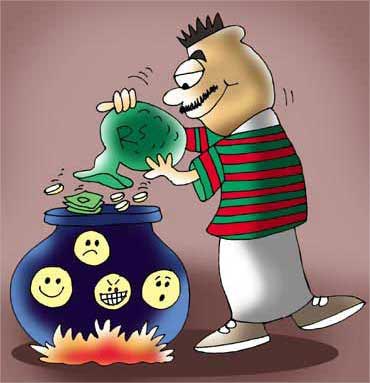
Forget about the gap between rich and poor, the gap between the rich and middle class was huge.
Did this cause widespread social unrest, a key reason for those exhorting austerity today?
How rich Indians can help the poor

It is also worth noting that no big business establishment - the supposed Class Enemy - was attacked during the sixties movement nor was any big industrialist.
Also, the middle class was probably way more discontented then.
How rich Indians can help the poor

If it does so today, it is because it understands well how corruption in governance can impede its journey into the ranks of the rich.
The inequality that exercises some economists and thinkers now is not the result of more Indians growing poorer but because more Indians are getting richer.
How rich Indians can help the poor
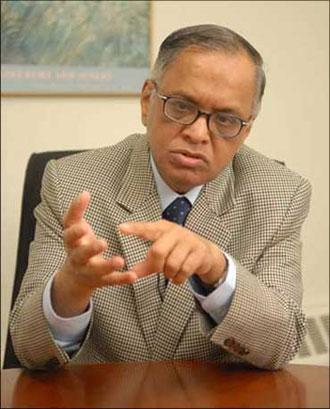
But that's a moral choice, not an efficient re-distributive mechanism as populist politicians will have it.
It wouldn't actually make the poor better off nor release a significant amount of wealth for their benefit.
How rich Indians can help the poor

How rich Indians can help the poor
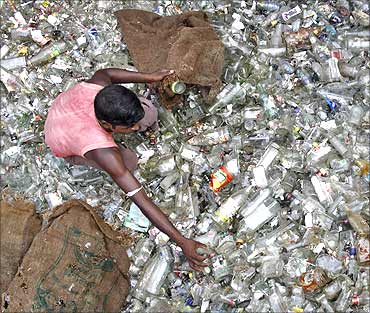
Equally, the existence of so many poor people (the percentage varies according to the ideological proclivities of the economist and politician) is a product of policy failures at a time when garibi hatao is back in an updated format.

article